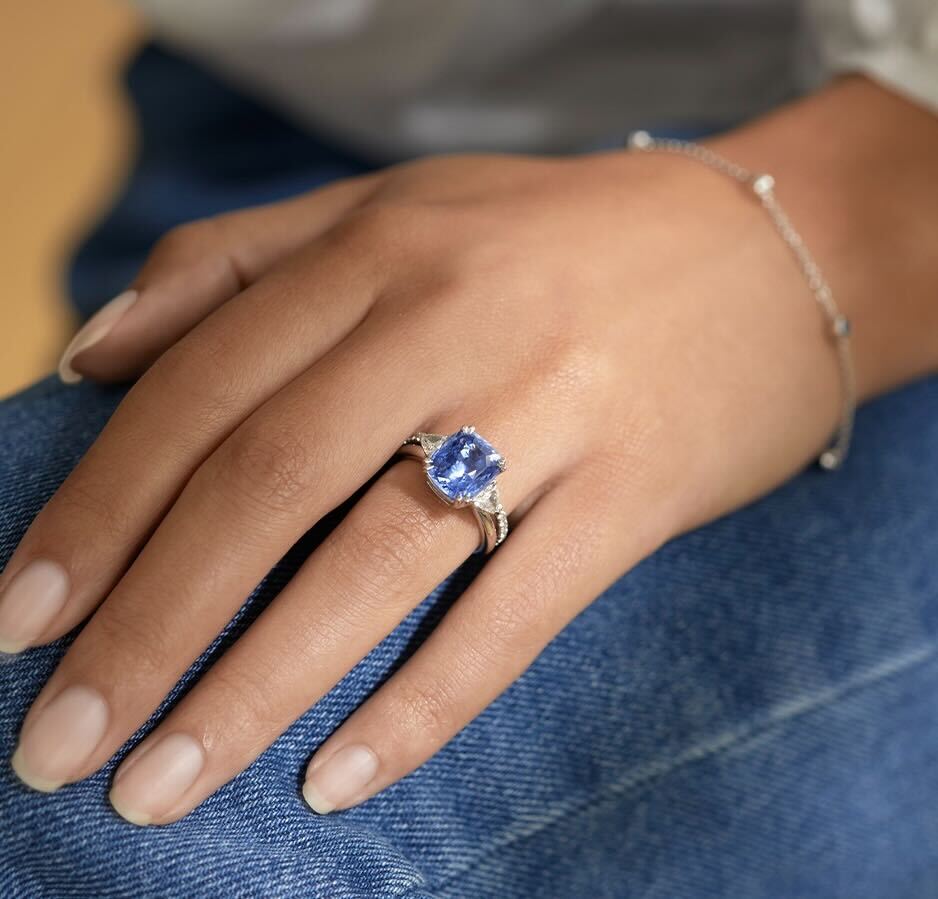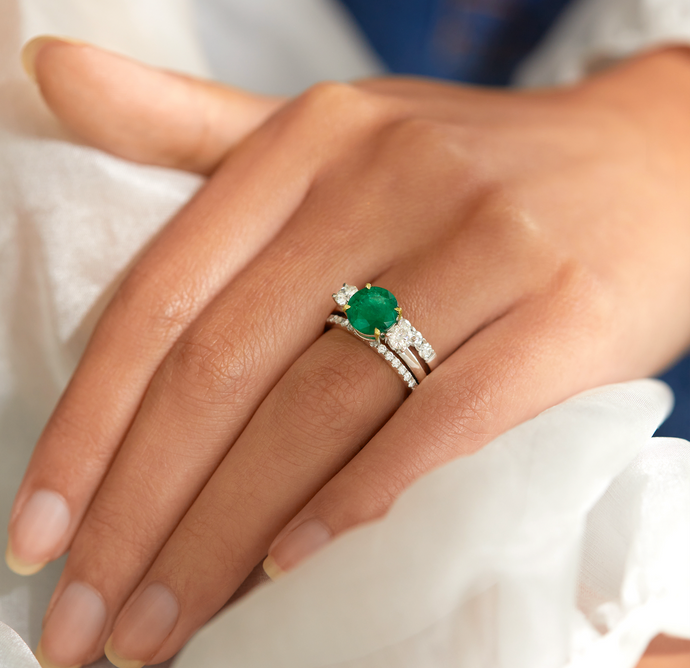
What is AAA Grading for Gemstones?
Everything you need to know about gemstone grading, from colour and strength to origin.
AAA Grading or Triple-A grading is sometimes used to describe coloured gemstone quality, much like how the 4 C’s (cut, clarity, colour and ct weight) define diamond quality.
However, unlike the four c’s of diamond grading, where the criteria have been rigorously standardised by the Gemological Institute of America (GIA), a credible non-profit organisation regulating diamond quality worldwide, Triple-A grading fluctuates from jeweller to jeweller.
As jewellers don’t have to adhere to a strict set of standards regarding AAA quality, the consistency in quality of these stones can vary dramatically, and some jewellers might disingenuously inflate the price point off the back of a ‘high grade’ coloured gemstone.
Although not all triple-A graded gemstones are inherently bad, any reputable jeweller or jewellery designer wouldn’t use this grading system. Instead, they would be able to identify high quality through their in-depth understanding of gemstones, most likely having gone through extensive study to receive an accredited qualification from a recognised institution such as the Gemmological Association of Great Britain (FGA) or the International Gemological Institute (GG).
As coloured gemstones have come back in a big way, especially when considering a diamond alternative engagement ring, it’s important to know what you’re looking for. Unlike diamonds, coloured gemstones are completely unique from stone to stone, so whether you’re interested in a fiery Ruby, luscious green Emerald or deeply saturated Blue Sapphire, here’s what to know to make sure you get a high quality stone.
How coloured gemstones are actually graded
Coloured gemstone quality is determined by 5 factors:
COLOUR
Under "colour" we have tone, hue, saturation and clarity.
Tone
This refers to the lightness or darkness of the gemstone. Depending on the gemstone, the criteria for what is desired might change.
For example, Yellow Sapphires can come in deep yellows or more pale tones. Both ends of the scale can be considered good quality, so it comes down to the buyer’s preference.
Hue
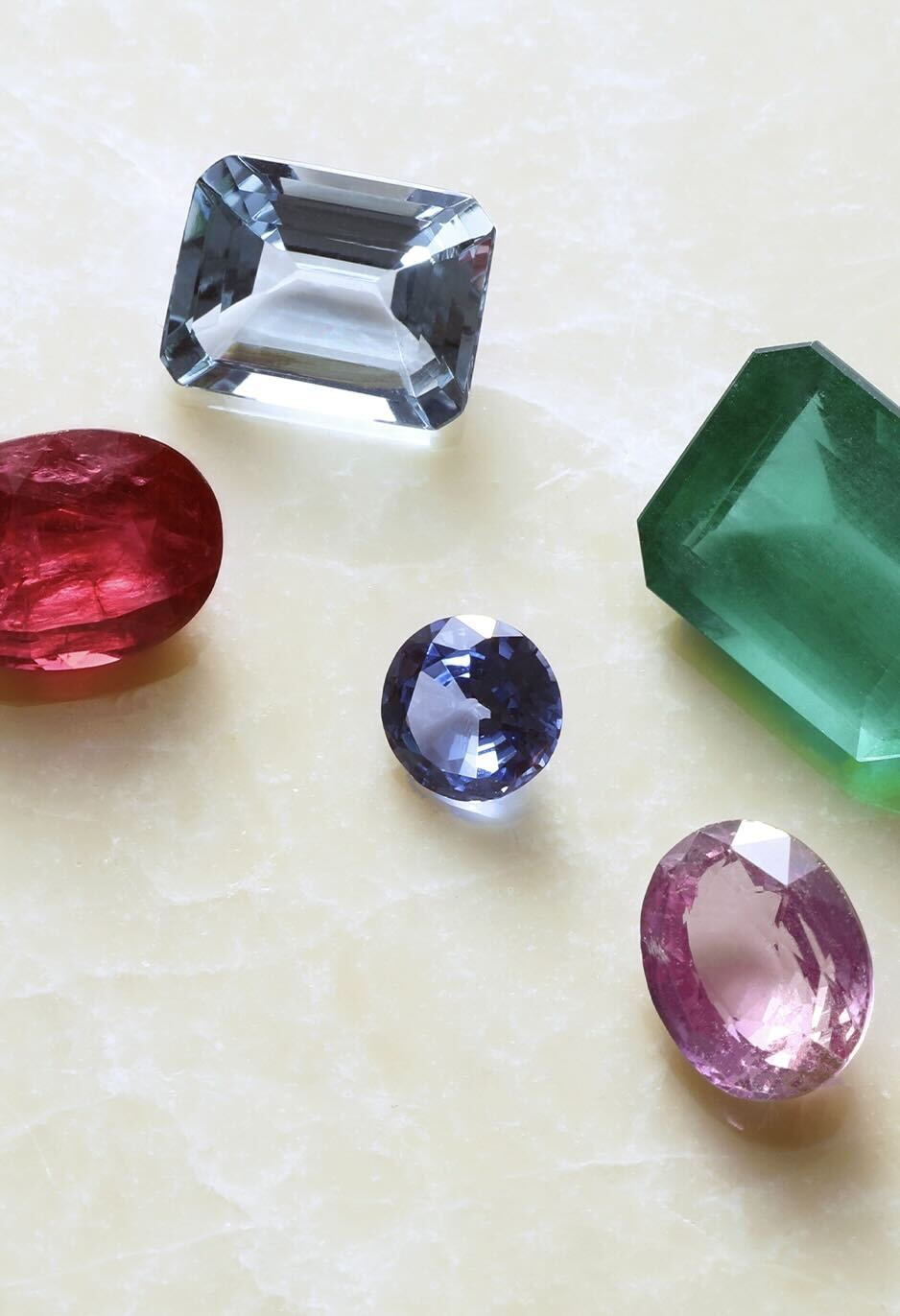
A coloured gemstone’s ‘hue’ will refer to where it sits in the colour wheel. So, if you were looking for a Teal Sapphire, then you might specifically ask to see more green hues, or a ruby may have pinkish hues. Quality can also be determined by buyer demand, And so some hues are more coveted than others, for example deep, lively blue sapphires, which has always maintained popularity due to it being a favourite of the Royals.
Saturation
This refers to the intensity of the colour; high quality coloured gemstones will have strong colour throughout their entirety. Low quality stones may have colourless or brown zones that will lessen its value.
Clarity
Unlike diamonds, coloured gemstones often have inclusions or feathering, which are created as the gemstones form over millions of years within the Earth. Any diamond without eye clean clarity would be deemed bad quality, but this isn’t the case at all with coloured gemstones.
In fact, the inclusions are celebrated as each stone is completely unique.
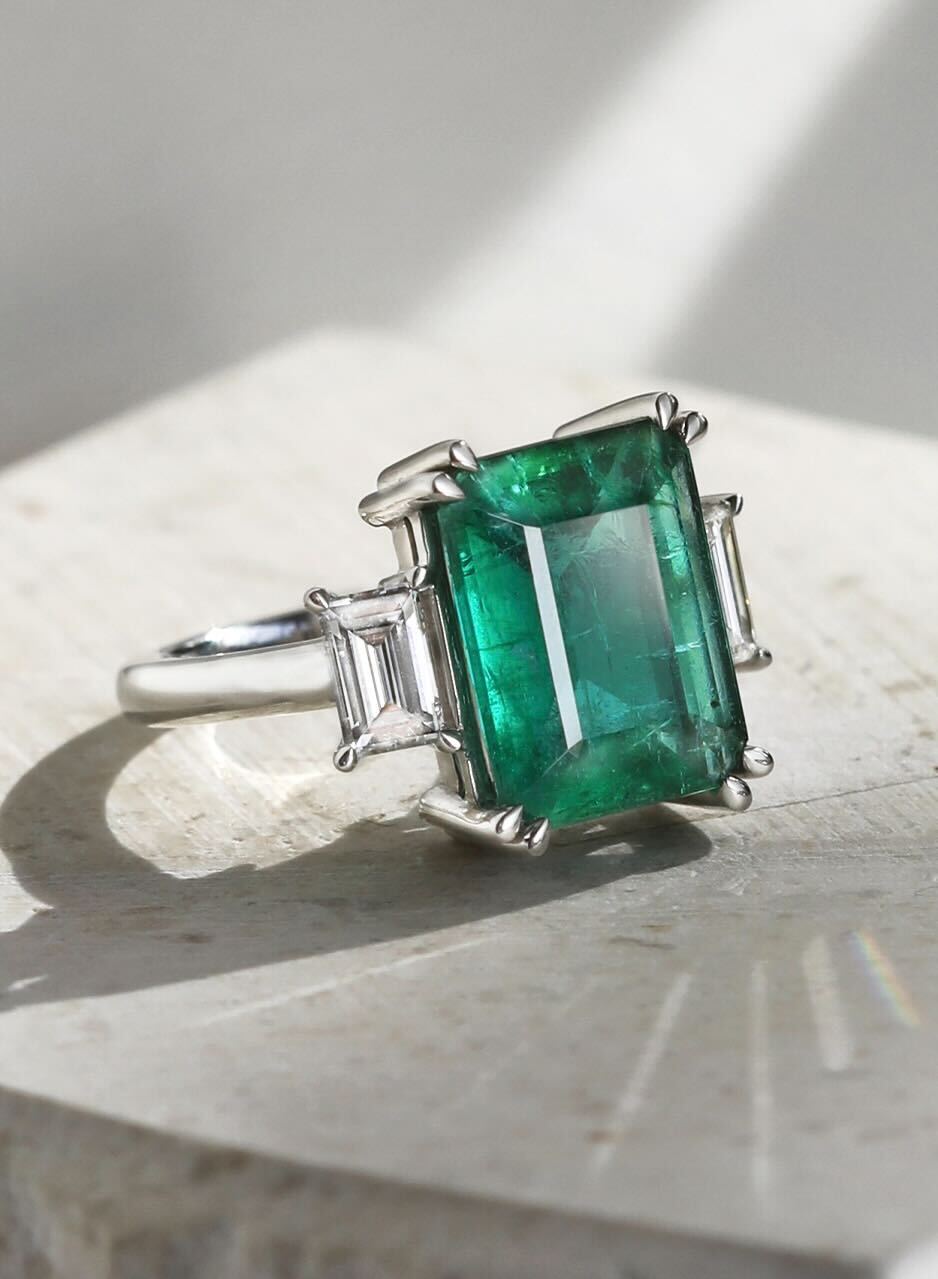
Emerald inclusions are fondly named ‘jardin’ as the foresty green colour of the stone, paired with these feather like inclusions, is reminiscent of foliage in a botanical garden, how poetic!
Although there can be too much of a good thing, like too much fat on a steak, too many inclusions may make the stone look dull or unstable, compromising the structurual integrity. A good gemmologist will be able to identify any alarming inclusions. And gemstone cutters (lapidaries), who are highly skilled, will cut each gemstone differently to highlight their inclusions in a way that emphasises the stone's beauty.
Strength
Under “strength” we have hardness, toughness and stability.
Hardness
The hardness of a gemstone relates to its position on the MOHs scale, which goes from 1-10 although is non-linear. A diamond is at number 10 as the hardest natural mineral, sapphire at 9, emerald at 7-7.5. Hardness is the ability to resist scratching and chipping, so the higher the number, the harder it will be to scratch a gemstone.
Toughness
This is the ability to resist fracture and breakage. Depending on how a gemstone is created naturally, it will have certain “weak points” making it more or less fragile than the next gemstone. A common misconception is that diamonds cannot break - they can! If you hit them at just the right power, at just the wrong angle, they can clean break in half.
Sapphires are considered pretty tough, but emeralds are not particularly tough owing to their distribution of inclusions and their natural crystal structure. They are easy to break - so do keep this in mind when choosing to invest in an emerald.
Stability
This refers to how likely it is that the gemstone will change over time. For example, if the gemstone has had some treatment, then you want to make sure that treatment is irreversible so you’re not unpleasantly surprised a few years down the line!
Aquamarines for example can be lightly heated, but this is typically the only treatment they face and they, alongside heated sapphires and rubies, will not change in appearance over time. Yay!
Emeralds can be lightly oiled, and the nature of this treatment, whilst highly acceptable if using a colourless, natural oil (e.g. cedarwood) is that it will dry over time and will need to be re-oiled.

Origin
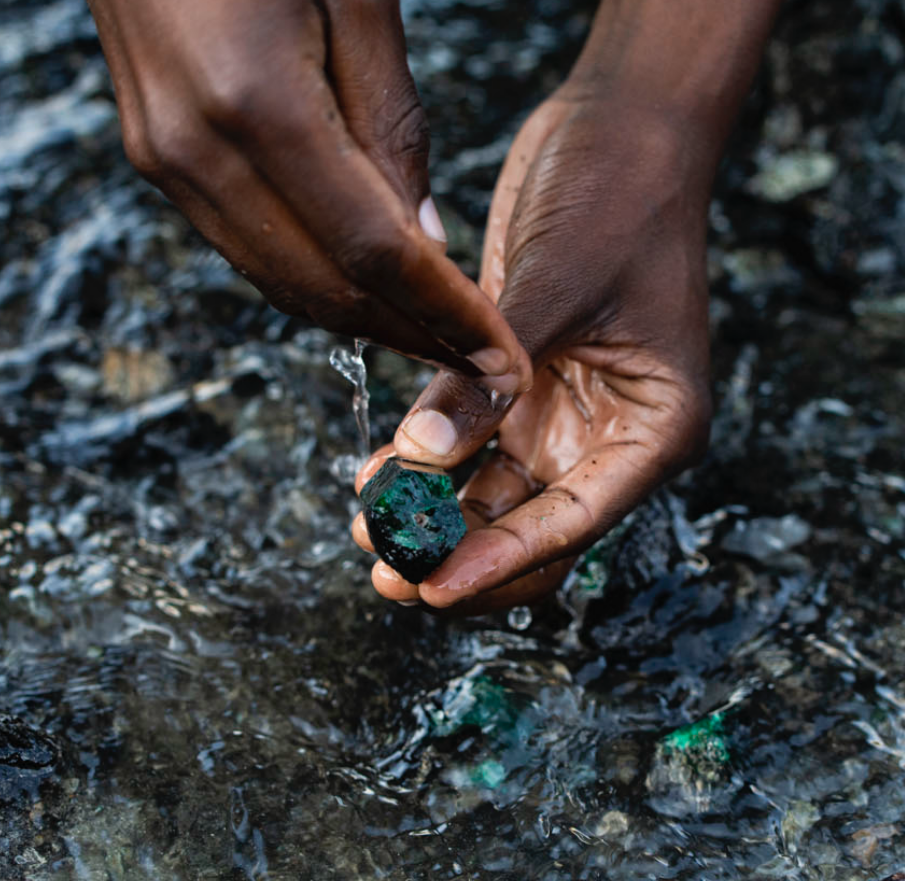
There are a lot of variables that influence the colour of a gemstone. One of the most common being the trace elements which differ depending on geological location that these stones were formed. Certain areas are well known by jewellers for being deposits for high quality stones which significantly enhance their market price. For many years, Colombian emeralds were highly prized as the “best” emeralds on the market, until Zambia began its operations and consumers found they preferred the deeper greens of Zambia.
Knowing the origin is also important to ensure you’re being sold a naturally occurring stone vs a lab grown gem as well as knowing that you’re stone was sourced from a responsible mine that adheres to social and environmental responsibility.
Treatments
Briefly touched on above, treatments are always something to ask about when choosing a gemstone. Many treatments are widely accepted industry practices, such as heating sapphires and rubies (with no additional chemicals) or oiling emeralds (with natural, colourless oil such as cedarwood). Make sure you have your jeweller disclose treatments of your gemstone.
Heating sapphires and rubies is typically done to reduce the appearance of inclusions and improve the colour and distribution. It does not tend to have an impact on the value of the gemstone, however a certified unheated gemstone will typically cost a premium.
Examples of treatments that are not generally accepted industry standards are lead-glass filled rubies, the use of beryllium in yellow and padparadscha sapphires or coloured dye in emeralds, as this will make the emerald look a better colour but will change over time.
What to look for in a reputable jeweller
There’s a lot of information to take into account when picking your coloured gemstone. The easiest way to feel good about your choice of coloured gemstone is by going to a trustworthy jeweller that helps to guide you through the process.
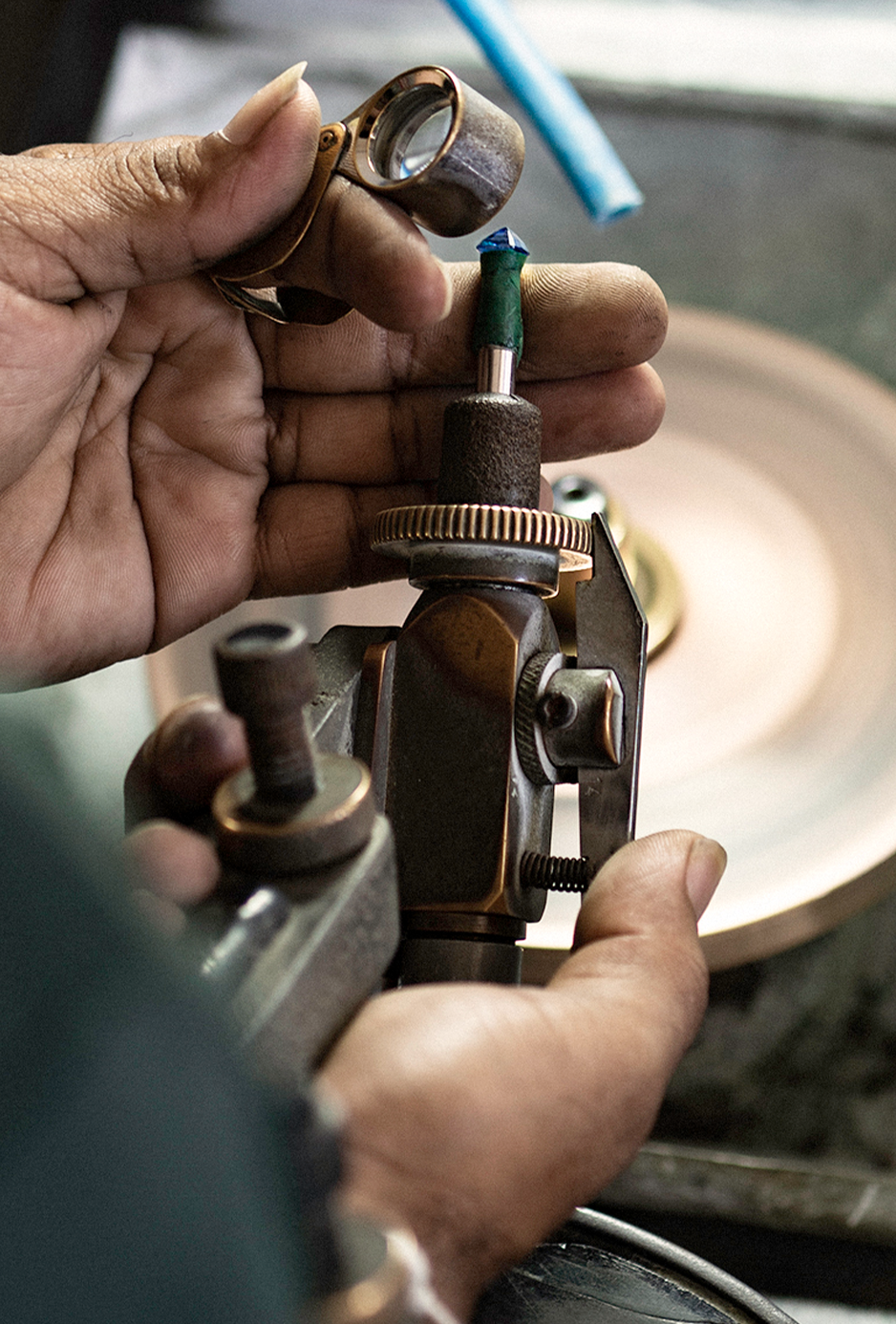
Expertise and craftsmanship
An experienced jeweller will be able to guide you through the process with ease whether you’re new to the world of fine jewellery or have built up a collection of heirloom pieces.
They’ll have a solid understanding of the characteristics of each gemstone to determine whether they’d suit your lifestyle. For example, an Emerald is a 7 out of 10 on the MOH’s scale of hardness (a scale that defines the durability of precious gemstones), whilst still appropriate for everyday wear it’s important to be cautious as they are a softer gem than Sapphires or Rubies which are a 9 out of 10, so, if you lead a more active lifestyle than these could be a better choice.
What’s more, a jeweller worth their salt will know what is possible when commissioning a bespoke piece, explaining what goes into the crafting process in detail ahead of any payments.
Transparency and professionalism
A good jeweller will fairly describe a gemstone’s characteristics to you without overselling its quality. In doing so, you’re able to make a fair decision of what is possible within your budget.
They should also act in a professional and approachable manner when communicating with you. Answering any and all queries without making you feel like you’re being pushed to buy or belittled for being curious.
And most of all, they should be able to provide any and all verification with you on the stone’s provenance with a certification from a regulatory organisation.
Fair and competitive prices
Reputable jewellers and jewellery designers will understand the value of the gemstone and quality of their craftsmanship whilst knowing the market rate and price accordingly.
How to shop with confidence
It’s important to feel confident when shopping for fine jewellery, especially when you’re looking to purchase an engagement ring. Something that you’ll only ever do once in your lifetime.
Our top tip to make sure you feel good is to give yourself plenty of time to make the decision, most engagement rings are made-to-order so it’s worth getting ahead of schedule so that you don’t feel rushed.
Secondly, have a look at more than one jeweller so you can compare them against each other. And check their reviews online to make sure they’re legitimate.
Finally, don’t be afraid to ask any questions, respected jewellers understand that buying fine jewellery is very sentimental and will have the patience and knowledge to thoroughly explain all your options to you without putting pressure on the sale.
If you’re ready to take the plunge into the world of fine jewellery and create an heirloom piece with coloured gemstone then get in touch today to speak to one of our expert gemmologists and find your forever piece. Or visit our showroom in Mayfair, London, to see our collection in person.